Quick answer
This illustrative story follows a café owner borrowing for the first time. She uses her queue problem as the purpose, costs a second machine and grinder with installation, tests weekly repayments against her slowest month, and chooses an unsecured term loan sized on her turnover and bank statements. It shows purpose, amount, affordability and loan type fitting together. All names and figures are illustrative.
Key points
- Illustrative only: no real business, person or offer.
- A clear purpose (the morning queue) made the loan type obvious.
- Weekly repayments suited a business that takes money every day.
- Testing against the slowest month set the term.
- Loan type
- Unsecured term loan
- Purpose
- Second machine + grinder
- Repayments
- Weekly
This is an illustrative story. The café, the owner and every figure are invented to show how a first business loan comes together. It isn’t a real customer, a testimonial or an offer.
Stories make lessons stick. This one follows Leah, who runs a small café near a train station, as she borrows for the very first time. Watch how each lesson from this site shows up in her decisions.
What problem was Leah trying to solve?
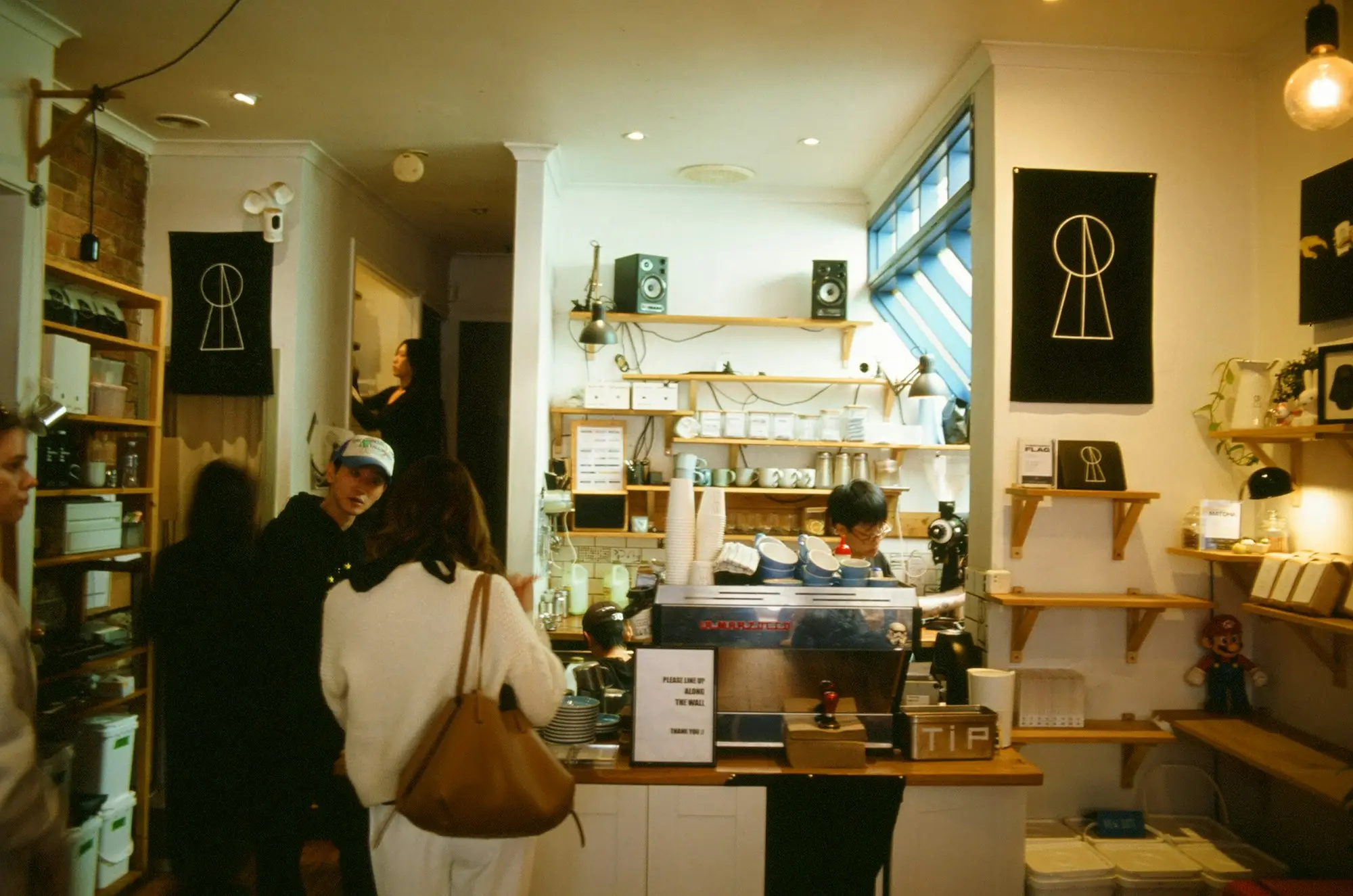
Leah’s café had a lovely problem: too many customers at once. Between 7 and 9 each morning, commuters queued out the door. Her single espresso machine couldn’t keep up, and she could see people glance at the line and walk on.
Her first instinct was “I need a loan for the business”. Her second, better instinct was to write the purpose down clearly:
“I want a second espresso machine and grinder so two baristas can work the morning rush and fewer customers walk away.”
That one sentence told her a lot. It was a one-off purchase with a long life, which pointed to a term loan rather than a line of credit. (Lesson: choosing the right loan.)
How did she work out how much to borrow?
She used the five-step method from how much to borrow.
| Item | Amount |
|---|---|
| Second-hand commercial espresso machine (serviced) | $11,800 |
| New grinder | $2,600 |
| Plumbing and electrical for the second station | $1,900 |
| Bench modification | $1,400 |
| Barista training for a new casual | $500 |
| Subtotal | $18,200 |
| Less: Leah’s own contribution | −$3,000 |
| Plus: buffer | $1,300 |
| Amount to ask for | $16,500 |
All figures illustrative.
She also asked her accountant about the tax side. Her accountant mentioned the ATO’s $20,000 instant asset write-off, which the ATO says is permanent from 1 July 2026 for eligible small businesses with aggregated turnover under $10 million, applying per asset. Whether and how it applied to her purchase was a question for her accountant, not the lender.
Could the café afford the repayments?
Leah pulled up six months of bank statements, the test from can you afford the repayments. Her café takes money every day, so she thought in weeks.
- Her average week left a comfortable surplus.
- Her slowest week was the one after the Easter school holidays, when commuter numbers dropped.
She compared a two-year and a three-year term. The two-year repayment fitted her average week easily but was tight in that slow week. The three-year repayment fitted both with room to spare. She chose three years, knowing it would cost a little more in total, because comfort in the slow week mattered more to her. (Lesson: how repayments work.)
She also chose weekly repayments, because that matched how money came into the café.
Which kind of loan did she go for?
Leah didn’t own property, and she didn’t want to involve her parents’ home. Her café had traded for three years, with all takings banked into a business account and her BAS lodged on time. That made an unsecured business loan the natural fit, sized on her turnover and bank statements. Unsecured options for trading businesses are typically $5,000 to $500,000. (Lesson: secured vs unsecured.)
At this point in her story, she did what we’d suggest to anyone: she made one enquiry, not five. If you’re at the same point, you can start yours here. It takes about a minute and involves no credit check.
What happened next?
In the story, a real person called Leah back, asked a few questions about her trading and the machine, and explained what she’d need: ID, her ABN, six months of statements and her latest BAS. She had them in a folder already, thanks to the loan-ready checklist.
When the offer arrived, she checked:
- the total dollars repaid, including the establishment fee
- the weekly repayment, against her slow week
- the personal guarantee (her café is a company, so as director she’d guarantee it)
- what would happen if she paid it off early
She asked two questions about the guarantee, got clear answers, and signed.
What can a first-timer learn from Leah’s story?
- Purpose first. Her one-sentence purpose made every later decision easier.
- Real quotes, real extras. The plumbing and bench work would have caught her out.
- Slowest week, not average week. It changed her choice of term.
- Tidy records are an advantage. Three years of clean banking did a lot of the work.
- One enquiry. No spray and pray, no cluster of credit enquiries.
What if Leah’s numbers had been different?
Stories are most useful when you can bend them. A few “what ifs”:
- If the café had only traded for eight months, some unsecured lenders would have been more cautious, and a smaller amount or a longer build-up of statements might have made sense. See new business loans.
- If her slowest week couldn’t carry any repayment, the honest answer might have been to wait, or to buy a cheaper second-hand grinder first.
- If she’d owned property, a property-secured option could have been on the table, though for a modest purchase unsecured might still have been simpler.
Could your story look like this?
Every business is different, and your numbers will be your own. But the shape of Leah’s story, purpose, amount, affordability, loan type, one enquiry, is the shape of most good first loans.
If you’d like to find out how your own story might go, our enquiry takes about a minute. There’s no credit check to ask, and your details aren’t handed to a line of lenders. A real person reads what you’ve written, asks the right questions and explains your options in plain English. Please answer as accurately as you can, just as Leah had her numbers ready, so the options you hear about truly fit.
Frequently asked questions
Is this a real customer story?
No. It's an illustrative story written to show how the steps of a first business loan fit together. The café, the owner and all figures are made up.
Could a café get an unsecured loan for equipment?
Trading businesses can use unsecured options, typically $5,000 to $500,000, sized on turnover and bank statements. Whether a particular café qualifies depends on its own trading history, credit and records.
Why weekly repayments?
Cafés take money every day, so weekly repayments line up with cash coming in and keep each payment smaller.
What would change if the café owner owned property?
She might also have property-secured options, which can suit larger amounts. For a modest equipment purchase with steady trading, unsecured may still be the simpler fit.